How Do You Clean A Stainless Steel Pan?
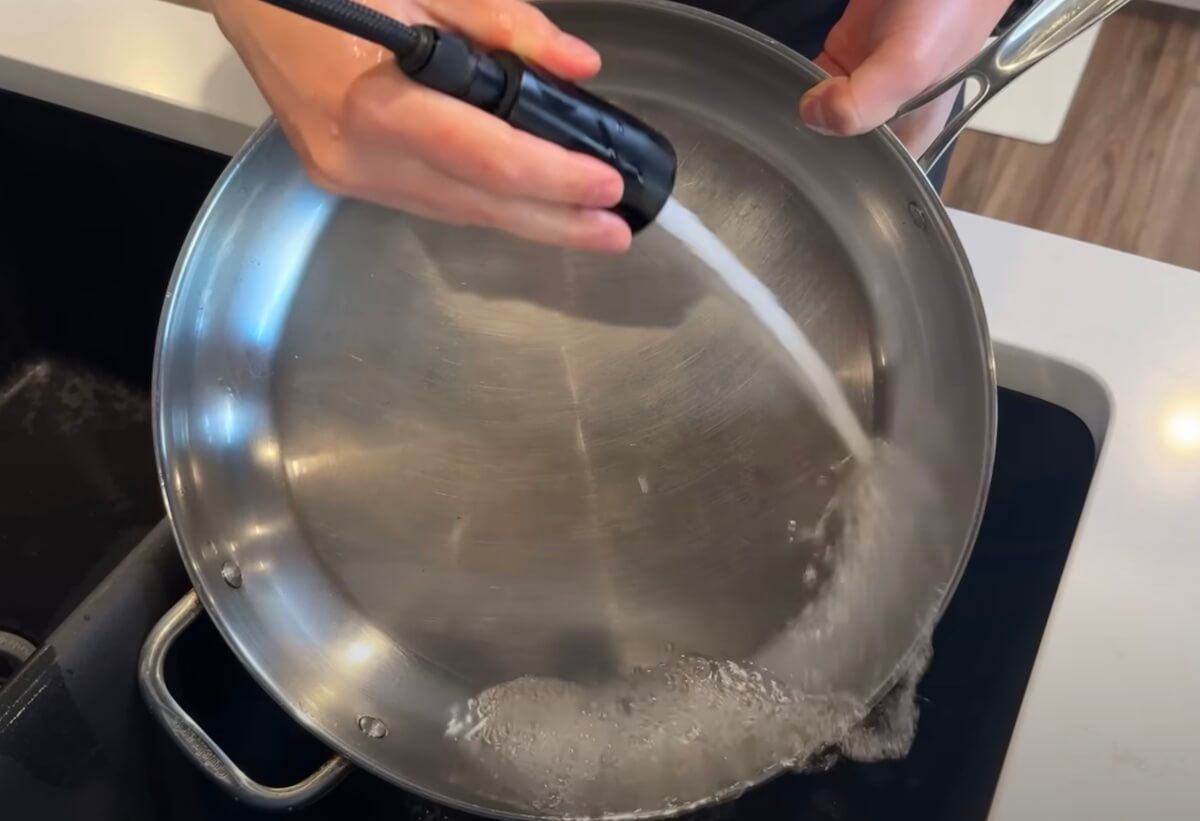
How do you clean a stainless steel pan? Undoubtedly, stainless steel is a top choice for cookware.
It is used by millions for its attractiveness and durability. However, it can be a challenge to keep it looking new if you clean it improperly.
In today’s guide, learn how to establish a cleaning routine, clean tough stains as well as maintain its non-stick surface.
Cleaning Stainless Steel Pots And Pans
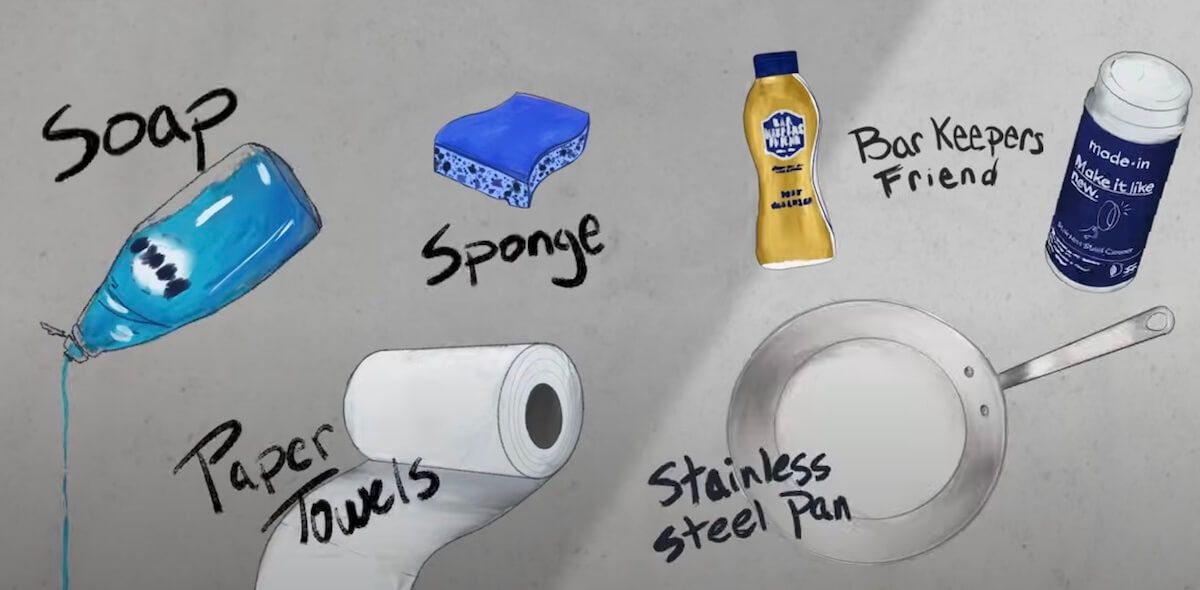
The method is one of the easiest and simplest methods of cleaning stainless steel cookware. For this technique, you’ll need…
- A scrubbing pad or a non-abrasive sponge
- Rubber gloves
- Water
- Bar Keepers Friend
Instructions
- Pour water into the pan.
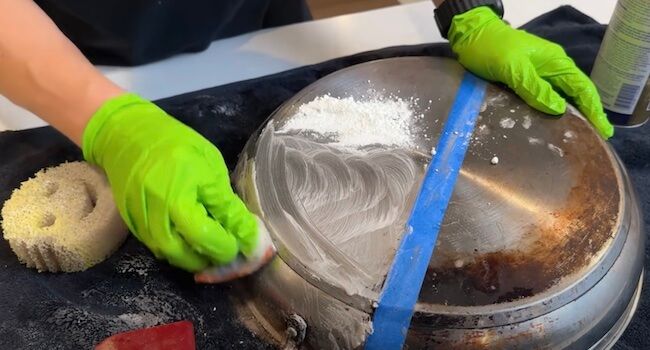
- Add a few shakes of BKF. [It is recommended for cleaning stainless steel sinks and cookware, as well as ceramic cooktops, glass cooktops, acrylic bathtubs, and porcelain.]
- Mix the powder and water. You can also use less water to create more of a pasty texture for the cleaner.
- Use your sponge and start spreading the mixture around and up the sides of the pans as well as pots.
- Start scrubbing away any of the stains, if there are any. The process can take up to 10 minutes. You can add more BKF for tough stains.
- Repeat the same steps for the pots outside.
- Rinse and dry.
Maintaining Stainless Steel’s Non-Stick Surface
You can also season stainless steel when you need to. Check out the following steps to start.
- Heat the pan on the burner. Use medium to high heat, and wait until the pan is hot. The process can take up to two minutes.
- Oil the pan. When the pot is hot, you need to take it off the burner before adding a teaspoon of coconut oil, olive oil, or peanut oil. Begin swirling the oil around your pan until it melts.
- Put the pan back on fire. Keep heating the oil until it starts smoking. While the oil and pan are heating, the surface molecules on the surface of the material will expand and fat coming from the oil will embed itself in the cookware.
- Turn the heat off when the pan starts smoking. Let the oil cool completely, so set the pan aside. Once it is totally cooled and the pan’s surface is mirror-like and reflective, your pan is seasoned properly.
- Remove the oil from the pan and pour it into a cup or jar. Wipe any surface oil with a paper towel.
***The non-stick surface of your stainless steel pots and pans will last long if you clean it properly, season it from time to time, and not wash it with ordinary dish soap. Re-season the pan if it starts turning brown or yellow.
- Have a regular cleaning routine. You should take some time and set a schedule for when to clean them. Remember that you’ve invested in these pots and pans, so you need to protect that investment. For less maintenance, go for stainless steel with aluminum or copper bottoms or cores.
- Clean your pan after every use. You must clean it after to prevent dried food and stains from accumulating. You can wash the cookware with hot water and dish soap, and then scour them with a scrubbing pad.
- Now if the stainless steel pans are seasoned, you should just rinse it with hot water. Avoid using soap on so that it can stay looking new and shining. If needed, you can also use tissue paper to get rid of grease.
- Wipe stainless steel pots and pans by hand. You must dry it with a clean towel after washing it. On the other hand, you can also air dry them to avoid water spots from forming.
- Do not use bleach or ammonia-containing cleaning products on your pots and pans. They can cause discoloration and damage to the cookware. For the best results, use only stainless steel-designed cleaning products.
How do you clean a stainless steel pan? Follow this guide and keep your stainless steel cookware clean, shiny, and looking new all the time.
Remember, you must clean them right away after use to prevent the accumulation of dirt, stains, or any residue from damaging them.
How do you clean your stainless steel pan? Tell us in the comment section and help others learn something new today!