How to Barbeques Eco-Friendly
Barbequing in the United States has become a national pastime, but almost all regions of the world embrace the tradition in one form or another.
So whether you're grilling pork ribs Southern style, breaking out the tofu dogs and veggie burgers, switching it up on a Japanese-style Hibachi, or preparing Indonesian Satay over charcoal, we've put together the info that will help you green your grill time.
If your vision of good eatin' includes a greasy guy in a red checkered apron standing in a smoky haze of sweet-smelling soot, while nearby picnic tables are strewn with plastic wrap and disposable paper plates, plasticware, and cups, it's time to wake up and smell the grass-fed all-beef hot dogs.
Instead, picture this: You're in the backyard, surrounded by neighbors and friends who have supplied their potluck concoctions in reusable Tupperware containers.
While you prep the grill by rubbing it with an onion instead of dousing it with chemical spray, your guests sip micro-brewed organic beer from glasses (how civilized!), poured from ice-cold growlers from your local brewery.
The picnic table is primed with recycled-plastic durable dishware, reusable bamboo cutlery, and fresh salads made with seasonal ingredients picked up from the local farmers' market. The garbage can is near empty though the recycling bin and compost pile have a little extra girth.
While you're not afraid to tuck into some responsibly raised meat, you know the environmental and dietary merits of cutting back, so the bulk of your preparations revolves around vegetarian recipes.
After sampling the Portobello mushrooms and chickpea burgers, broccoli rabe cornbread, and fresh ginger cookies, your guests happily head out, leftovers in tow, and walk (or bike or skateboard) home.
Sound like a good time? Click through for tips, tricks, and recipes that can help you make it happen.
Tips Green Barbeque
Make a Plan
Whether or not your barbeque is a family affair or a neighborhood blowout, you can mitigate the environmental impact of your fete with some careful party planning. Here’s how: Tally up the guest list before going to the grocery store so as not to overbuy or leave leftovers that will go to waste.
Send invitations via phone or email, rather than sending paper invites. If your party's going to be big, consider a location that’s convenient for your attendees, which will allow them to walk, ride bikes, or take public transit rather than drive.
Finally, be specific when asking your guests to bring a potluck dish to share. That way, you won’t end up with five varieties of pasta salad that nobody wants to eat.
Buy Green Groceries and Sundries
Ditching disposables is one of the greenest things you can do. Opt instead for reusable plates, cups, and traditional cutlery, or use reusable plastic options, such as Recycline’s Preserve Tableware.
If you simply cannot part with the idea of disposables, look for unbleached recycled-paper products or bamboo serving ware.
You can also buy in bulk, which helps reduce packaging and waste (and cuts down on future trips to the grocery store.) Many foods and sauces refrigerate or freeze well.
(Bonus tip! Don’t forget to bring your own bags to the store.) Here’s another thought: Instead of relying on prepackaged chips and bottled sauces, make your own. You’ll cut down on packaging waste and have tastier, healthier food.
Consider the Meat
When it comes down to it, barbeques are all about the food, and even if you usually plan dishes filled with vegetables and whole grains, these tend to go up in smoke when it comes time to grill.
But you can still go greener while you grill. First, consider serving less meat note that we didn’t say no meat. (Though if you do go meat-free, kudos.) This is the biggest way to mitigate the environmental impact of your BBQ.
Here’s why: It takes 1,916 gallons of water to produce one pound of beef, and cattle produce enormous amounts of methane, a greenhouse gas that’s almost 20 times more harmful than carbon dioxide.
Bulking up your offerings with vegetarian dishes is a great idea. For the meat you do serve, choose organic and grass-fed selections.
For more ideas, check out our guide to barbeque food choices, and find sustainable meat retailers in your area by using the Eat Well Guide.
Choose Local and Seasonal Produce
It's no coincidence that BBQ season coincides with the time many locally grown fruits and vegetables are at their best.
Local produce typically means fewer chemicals were used to grow and preserve foods, and since it doesn’t have to travel long distances, less energy is consumed in transporting them. Consult a seasonal produce calendar and visit your local farmers market for the freshest selections available.
Guzzle Organic Beer and Beverages
Although you may be tempted to fill a cooler with ice and 50 cans of your favorite beers, sodas, and juices (for the kids), greener options exist for all.
When possible, choose bulk sizes of organic drinks, or make your own. Sun tea and fresh lemonade are easy to make and better than store-bought varieties.
Organic and local brews are flowing from most regions of the world these days. In addition to cutting down on your carbon footprint local, seasonal, small-batch brews are delicious.
Find out who's in your 'hood at BeerFly. Serving beer from a keg, pony keg, or growler also cuts down on excess packaging.
Choose Your Grill Carefully
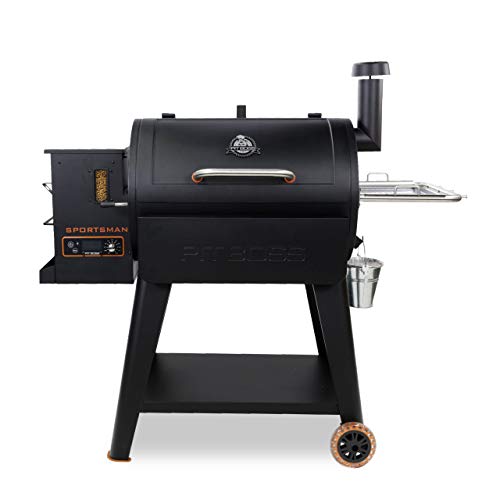
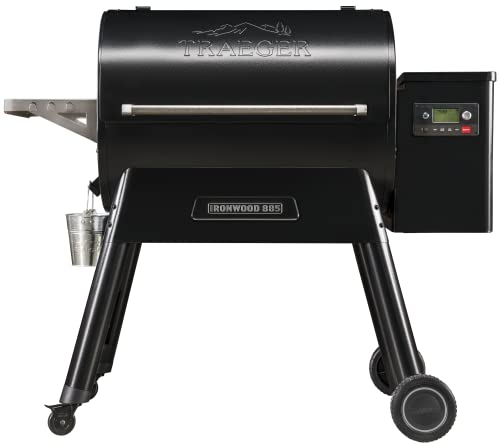
The type of grill you use to cook will affect not only flavor but also your eco-footprint. Here’s what you need to know: From a carbon standpoint, gas grills win out because natural gas and propane burn cleaners and leave behind less waste than charcoal grills.
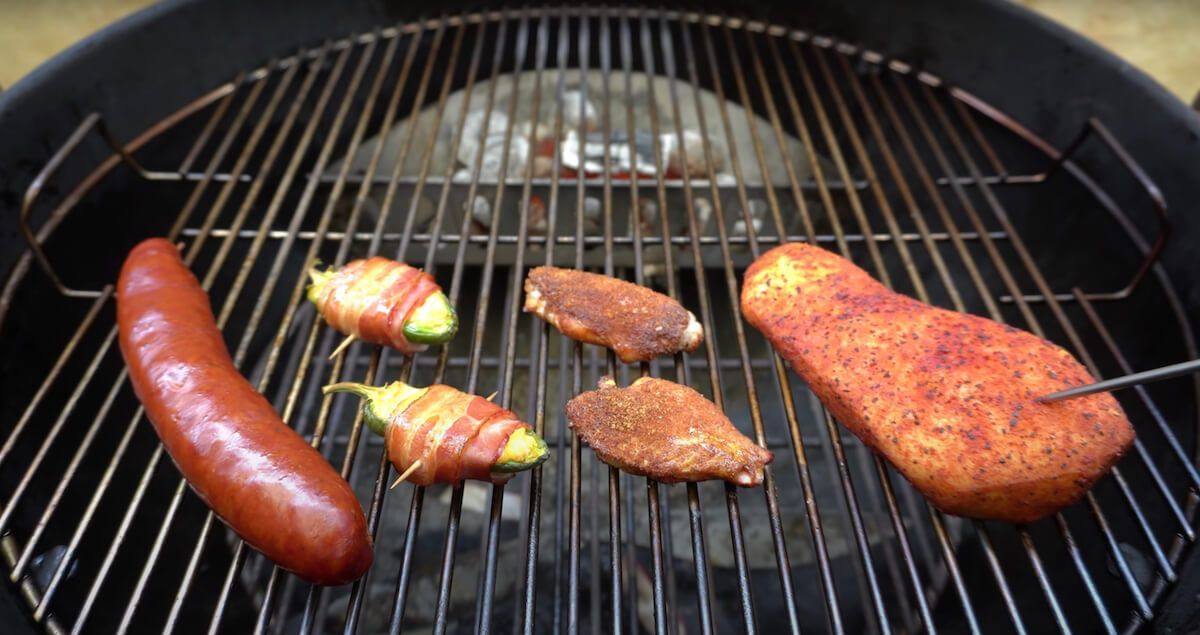
Charcoal may give your organically raised burgers that old-time-y taste, but the particulate matter from burning the briquettes contains carbon monoxide and other VOCs.
If you do use coal, choose all-natural lump varieties, which eliminate the additives contained in briquettes. (See our Getting Techie section for more.)
If your home uses green power, consider buying an electric grill. Look for the models with the lowest number of BTU's for the most efficient model.
Fire Up the Barbie!
If you’ve opted for charcoal, lighting up can be a daunting task. But petroleum-based lighter fluid can contain harmful VOCs.
Alternatives on how to get your coals burning include charcoal chimneys, electrical charcoal starters, and DIY fire starters. Our friends at How Stuff Works lay it all out.
Get your Grill On
Time to get cooking! These useful tips can help you prepare tasty and efficient meals:
Grilling with the hood of the barbeque down not only helps maintain energy efficiency but also ensures the heat will be distributed more evenly throughout the grill.
Organic and grass-fed meat is leaner than traditional meat and requires a little bit of extra love in order to maintain its moisture when grilling.
To address this issue: marinate your meat before grilling, and continue to baste it while over the grill; for hamburgers, add in caramelized onions and other moisturizing ingredients; cook the meat at a lower temperature or simply cook the meat for less time.
You can substitute extra firm tofu for most recipes that require meat. Marinate for a few hours prior to grilling, and then cook it slowly over lower heat to get that real barbeque flavor.
Put vegetables in a bowl with olive oil and herbs to marinate before grilling. If you are using smaller vegetables that might fall through the grill grate, put them on a cake rack and place that over the grill.
Maintain Your Grill
Taking care of your grill properly means it will last for many delicious barbecues to come and that will be a healthier cooking vessel.
Instead of petro-based cleaners, use soy and natural alternatives, which can work better than the chemical varieties. DIY Cleaners are another good option.
You can clean your grill with a barbeque brush and a paste made with baking soda and water. Or, cut an onion in half and rub it over the rack once it has heated up; then brush a bit of olive oil on it so the food doesn't stick.
Time for Dessert
You can reheat baked goods like pies on the barbeque rack after the barbeque is turned off. Close the lid and by the time you are ready for dessert they will be warm. Give our Rhubarb Pie Recipe a try and taste it for yourself!
Clean Up the Mess!
Separate your glass, plastic, and metal recyclable containers, and dispose of them on-site, or bring them home to recycle with the rest of your household waste.
Gather compostables (another good reason to keep the meat intake low it cannot be composted) and bring them home to your compost heap, or a community one, if available.
Did you know you can compost charcoal remnants too? When it comes to the leftovers, pack them up in reusable containers.


Best Gas Grills Under $1000 in 2026: Top Picks for Every Backyard

Best Yakitori Grills for Authentic Japanese Skewers at Home