How To Use Your Foods Eco-friendly
Broccoli, shamrock cookies, peas, lime sherbet... oh wait, this article isn't about those types of green foods... it's about finding environmentally-friendly "green" foods and preparing "green" meals like the delicious ones shown on Supper Club!
In California, for example, an orange plucked from a neighborhood tree and eaten raw, whose rind is composted, is ten times greener than a Florida orange that was purchased from a grocery store five miles away, juiced using an electric juicer, and whose rind is trashed in a garbage can.
While there are many factors to consider when trying to buy and consume green meals, the short-and-sweet version is as follows.
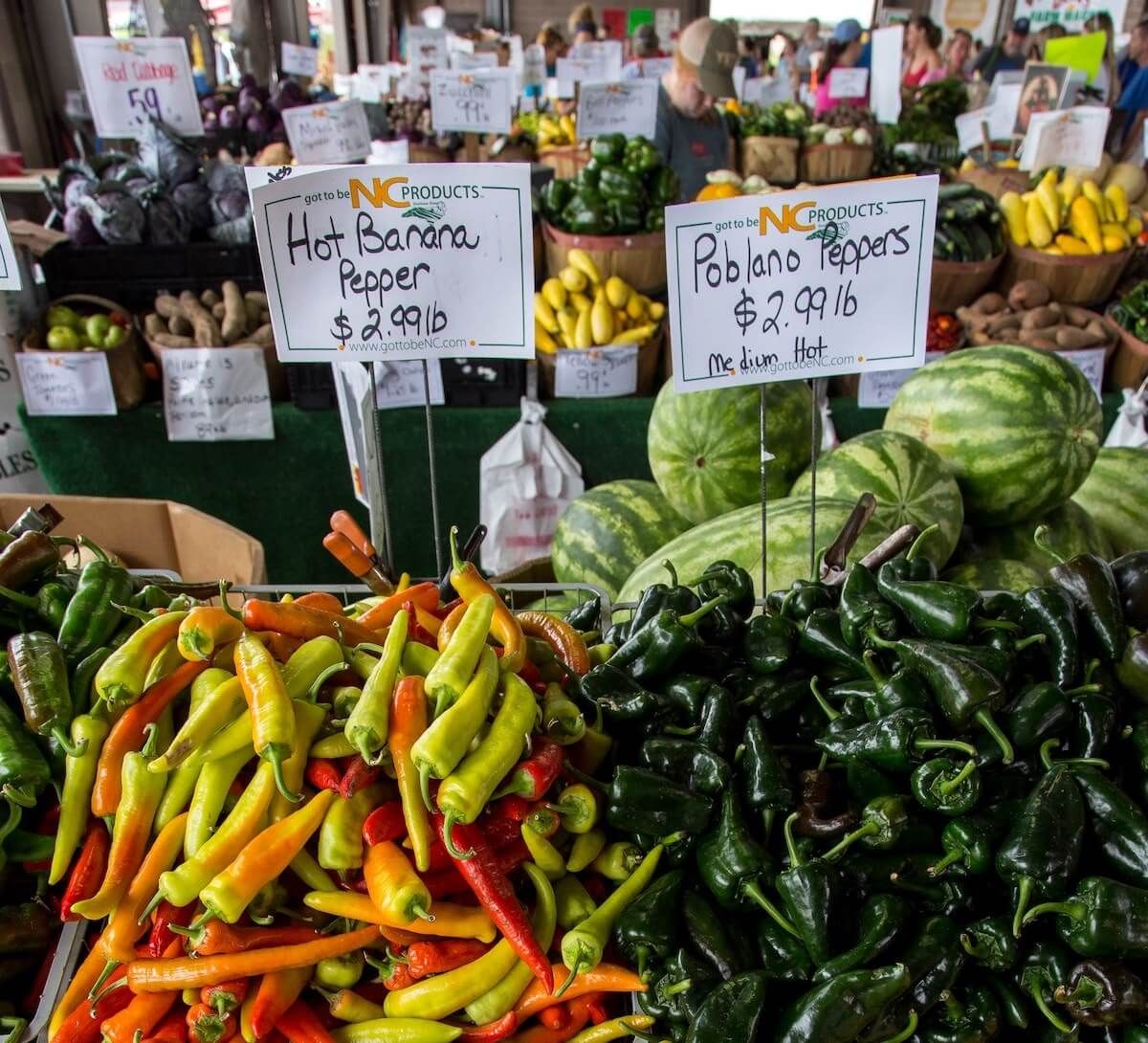
Buy as local as you can
The more "miles per calorie" you can reduce, the better your food is for the environment. Adapting a local food diet means sacrificing out-of-season fruits and vegetables, but being a locavore is often healthier than your current diet. Besides, isn't giving up fresh cherries in the winter worth lowering the carbon footprint of your food?
Avoid meat
Perhaps the "greenest" choice you can make is to limit the amount of meat in your diet. While local meat is certainly a better choice, the carbon footprint of each burger or steak is still hundreds of times as large as that of vegetables and fruit.
A vegetarian diet only requires 300 gallons of water a day while a meat eater's diet uses up a whopping 4,000 gallons a day. Individuals save more water by not eating a pound of beef than by not showering for an entire year.
Prepare as energy-efficiently as possible
Eating your (non-meat) food as uncooked and unprocessed as possible preserves the food's nutrients and minerals while conserving energy.
The raw food movement, which includes mostly nuts, seeds, fruits, and vegetables meticulously prepared using little to no heat or energy, is an example of gourmet energy-efficient food, but less extreme options include simply limiting the number of electricity-operated appliances you use while cooking (like using a handheld can opener instead of an electric one), recycling all packaging (like the can), and limiting the amount of heat used for the meal.
Compost all leftovers
Hopefully, your green meal is so tasty that there won't be any leftovers, but inevitable waste like potato peels and onion skin should be composted instead of discarded. Finished compost can be used as fertilizer for your orange tree!