Make More Sustainable Seafood Choices
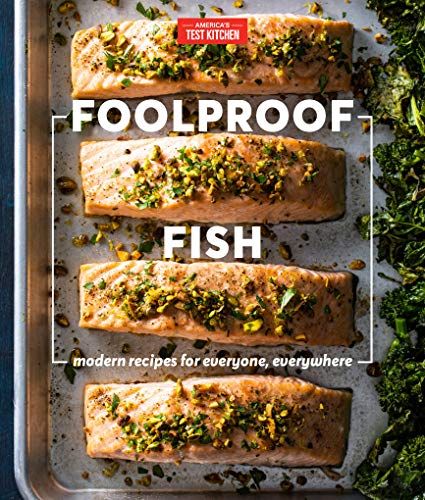
Find seafood that's delicious and better for the planet, too
But with all the choices out there available to us these days, it's not always easy to navigate the food landscape and come out with the greenest choices.
Your local farmers' market can definitely help make this a bit easier, but what about foods that you can't get from the rows of stalls and tables, like seafood?
Taras Grescoe, a Canadian nonfiction writer and food and travel journalist, has written a book on the topic called Bottomfeeder: How to Eat Ethically in a World of Vanishing Seafood (Bloomsbury USA, 2008), and went over some of the finer points in a recent interview with Salon; in doing so, he gives us a pretty reasonable roadmap for navigating the sustainable seafood gauntlet. Here are some tips to keep in mind.
Stay low on the food chain
Big fish that swim at the top of the food chain tuna, swordfish, shark, and sea bass accumulate toxins and heavy metals like mercury in their flesh, and cooking it can't get rid of those nasties.
Even salmon, especially when farmed, can harbor loads of persistent organic pollutants. Smaller "schooling" fish like sardines and anchovies don't have the same problems and are better choices.
With notable exceptions, wild-caught fish is often the better choice, especially when it comes to two of our collective favorites: salmon and shrimp.
Grescoe says, "Salmon from these farms tends to be full of persistent organic pollutants, [some of which] are highly carcinogenic. Salmon farmers grind up smaller fish like anchovies, sardines, and anchoveta to make the pellets all of which should be going to feed humans, not making deluxe fish, especially in the context of food riots and salmon farms have been proven to spread disease and parasites like sea lice to wild fish populations, among them sea trout in Ireland and wild salmon in British Columbia." Yikes; the shrimp story is even scarier:
"If you get cheap shrimp now, it's from a turbid, pesticide-infested pond somewhere in the developing world, and it's guaranteed you're contributing to the misery of all humans by buying that stuff." Eww.
Related Post: How To Use Your Foods Eco-friendly
A few choices from farmed sources are good ways to go; bivalves like oysters and mussels can be farmed with minimal ecological damage and low environmental health risks (many bivalves actually help filter and clean the water they grow in) and a few smaller freshwater fish like tilapia and catfish can be farmed in closed-loop systems, so they don't pollute large tracts of ocean or escape and spread disease.
Shrimp and salmon, two of America's favorite seafood choices, are also two of the more destructive and unhealthy choices when you don't go for wild-caught from sustainable sources, which can get pretty spendy, pretty quickly.
Grescoe relates a story to bring some relativity to the situation: "Shrimp and salmon in particular, two of the most popular seafoods in North America, should be luxury foods.
When I was a kid, my mom was paying $15-$20 a pound for salmon and it tasted fantastic. Now it's one of the choices on an in-flight meal and it's rubbery and disgusting." The solution? Make the right choice, make it less often, and enjoy it more when you do.
Related Post: Tuck Into Local, Organic Meat
How can you get all the facts? Information about where your seafood used to swim is becoming increasingly available on signs at your fishmonger and on menus in restaurants, but it certainly isn't everywhere yet, so don't be afraid to ask questions.
The "fresh or farmed" and former locale of the seafood should be pretty easy to come by, getting you most of the way there with just a few easy questions.
Get more interesting info from Grescoe over at: Salon.