11 Nutritious Reasons to Eat Food Scraps
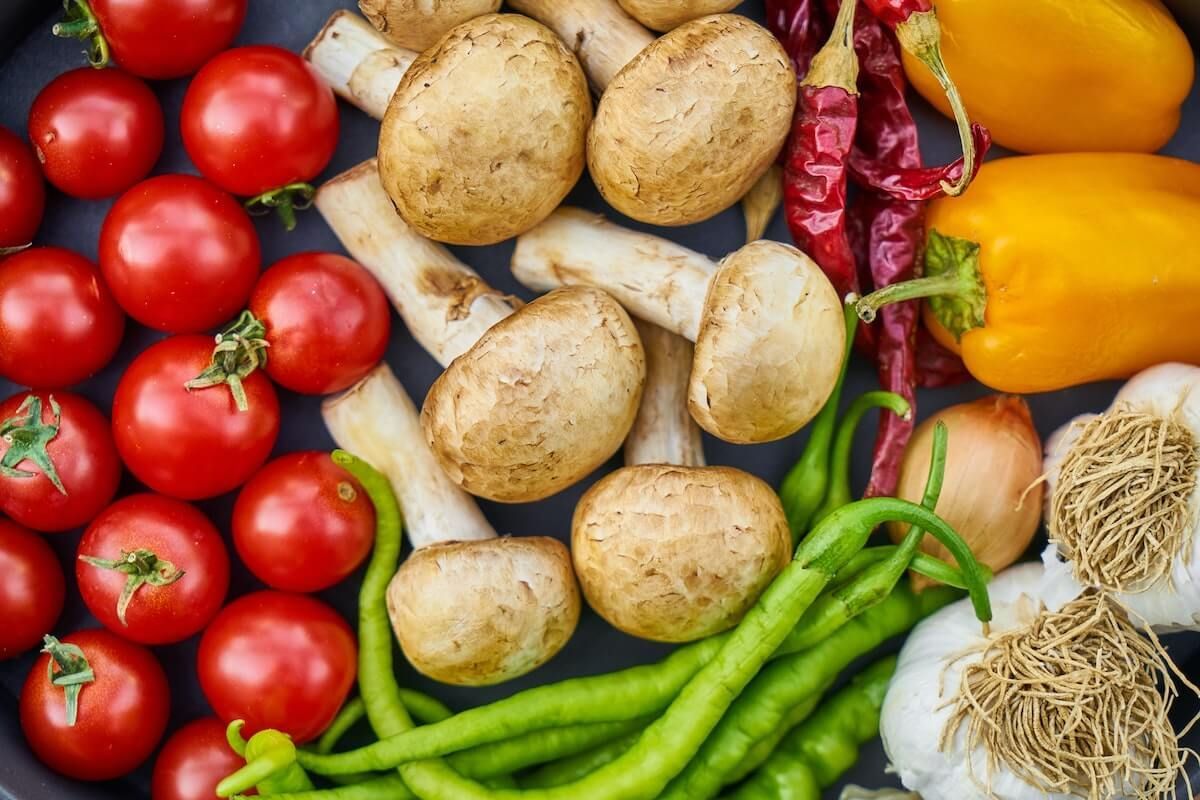
It’s not trash—it’s dinner!
Food waste is a hot topic nowadays. It was the focus of the United Nations Environment Programme’s World Environment Day 2013, and the USDA and EPA recently announced a joint partnership aiming to reduce waste at every level of our food supply chain.
As well it should be! Americans are guilty of tossing 40 percent of the food produced every day in this country. That staggering amount of food could feed every hungry person in this country.
And while some of the waste can be pegged to farmers, grocery stores, and restaurants that produce, sell, and serve more food than we can consume, most of the waste happens in homes.
People buy more than they can eat and they toss out perfectly edible parts of food that they simply don’t know what to do with.
The former can be handled by better meal planning, for sure, but the latter requires a little know-how.
You might not know that you can eat broccoli stems or beet greens, but that “trash” is just as nutritious, and sometimes more so, than the main part of the vegetable. So save money and nutrients by keeping these 11 food scraps out of the trash.
Cauliflower and broccoli stems and leaves
Though most people chop off the florets of broccoli and cauliflower, the stems themselves are healthy, mineral-packed leftovers that too often wind up in the garbage.
Pare off the tough exterior to get to the mild-flavored flesh. Shave it into ribbons and cook those into a pasta doppelganger, as Edward Lee, head chef at 610 Magnolia in Louisville, Kentucky, suggests. Or slice the stalks into sticks that you can use for dipping hummus or salsa.
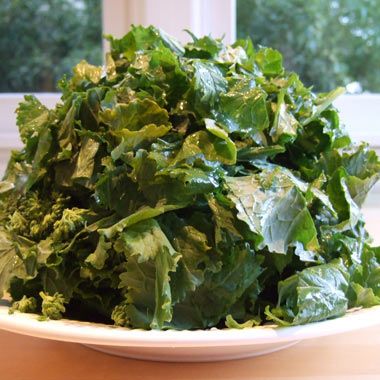
Leafy greens are the healthiest veggies you can eat but don’t eat just the leaves. The stems pack just as much nutrition.
In fact, chard stems are rich in glutamine, an amino acid that boosts your immune system and helps muscle recovery after workouts. Chop up the stems and sauté them in some oil until they’re soft, then add your chopped leafy greens.
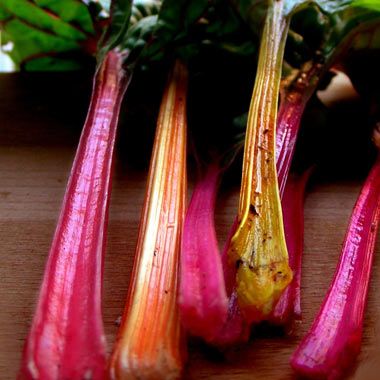
During beet season, be sure to buy beets with the greens attached. The greens, usually available on young, tender beets, are packed with fiber and vitamins K, A, and C.
Chop them up, stems and all, and sauté them in some oil, then dress them with balsamic vinegar and add them to pasta.
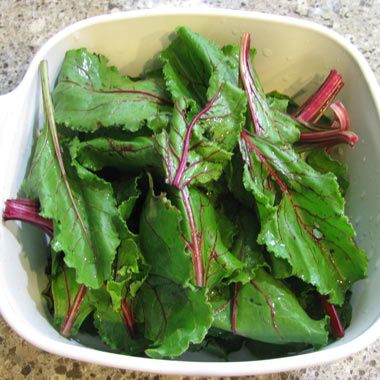
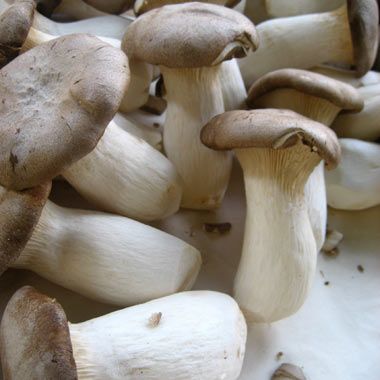
Most recipes suggest that you remove mushroom stems before cooking, but the stems are edible. Some varieties of mushroom stems may be too fibrous to taste good when raw, but sautéed or boiled, they soften up and become quite tasty.
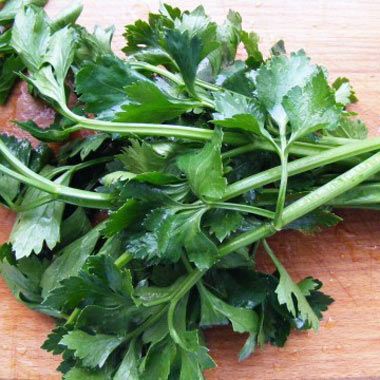
Celery leaves taste just like celery stalks but has a more concentrated flavor, and they pack more calcium and magnesium.
They can be used any way you’d use celery: added to a salad, tossed into a stir-fry, or even substituted for parsley.
If you’re patient enough to pick out all the seeds from your next watermelon, you can salt and roast them, just as you would pumpkin and squash seeds.
And although pickled watermelon rind is the most well-known way to keep that out of the trash, you can also peel the hard green exterior and slice the green flesh underneath. It tastes similar to cucumber.
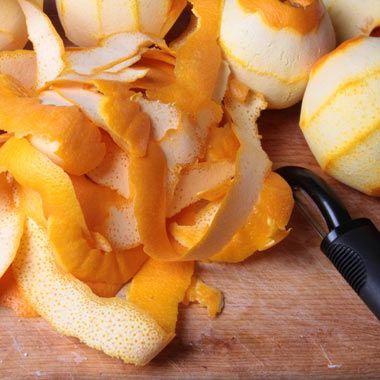
Citrus peels are the most underappreciated part of your favorite fruits. Before you cut a lemon, lime, or orange in half, grate the zest off the skin and save it to use as a seasoning for salad dressings, or as a garnish for your favorite cocktails.
Any citrus rind can be boiled on the stove as a natural air freshener, and you can use leftover lemon peels, sprinkled with salt, to clean your kitchen and bathroom countertops.
Or fill a glass container with citrus peels, which contain the natural solvent d-limonene, and cover them with white vinegar, another natural solvent.
Let the mixture steep for about 2 weeks, strain out the peels, and you have a potent homemade all-purpose citrus-scented cleaner.
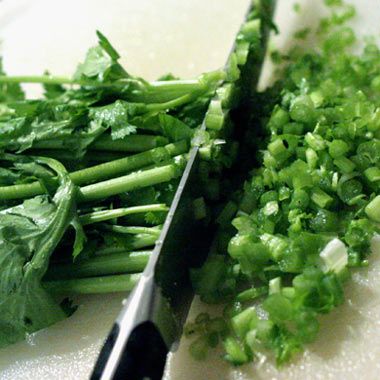
Don’t toss the stems of your next bunch of herbs! They contain the same flavors as the leaves and can be blended into salsas (cilantro) or pestos (parsley) or steeped in teas (mint).
Go Deep: Gooseberry Chutney Recipe
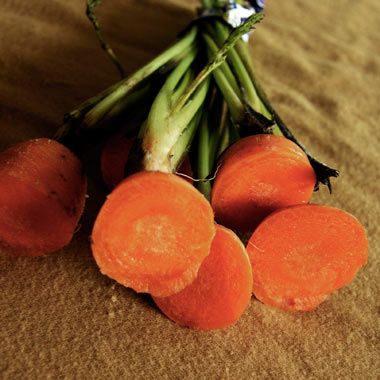
The mildly flavored greens that accompany fresh carrots can be used instead of lettuce on your next sandwich or blended into a green smoothie.
The greens have six times more vitamin C than carrots themselves, as well as being rich in vitamin K and magnesium.
Most recipes that require fresh ginger tell you to peel a ginger root, then slice it into your dish. Save the peels and steep them in water to make tea, or drown them in olive oil, which you can use to make ginger-tinged salad dressings.